
When the Storm hits
- Joshua Asiimwe
- Mar 27, 2025
- 3 min read

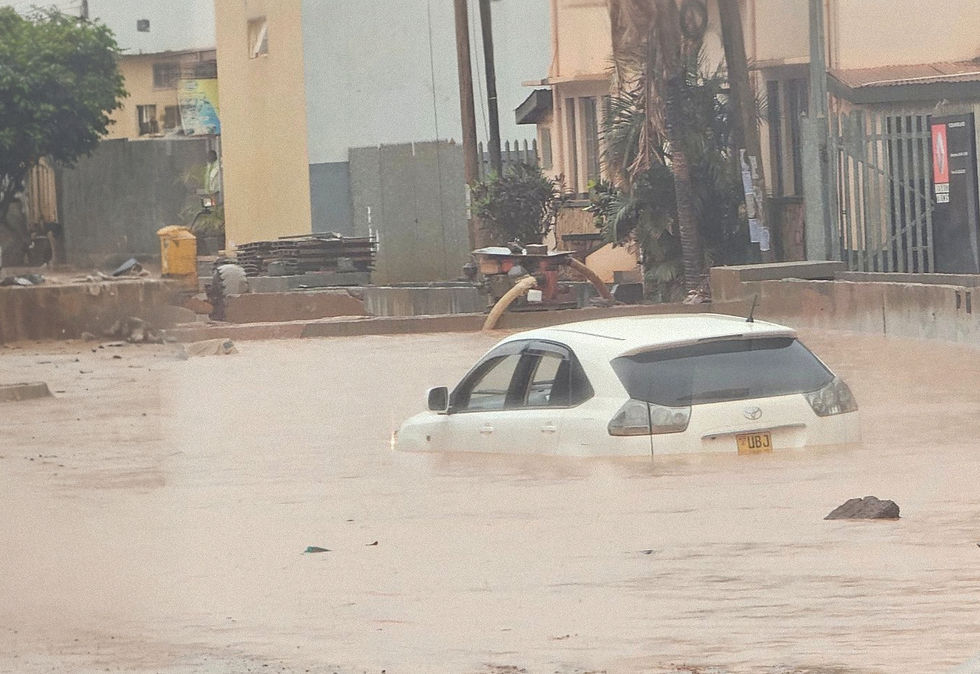
These past days, Uganda has been hit with relentless heavy rains. Trees fell in the compound where I stay, and for three days, we had no electricity. The internet was down, work was on pause, and even daily routines became difficult. As I sat in the dark, waiting for the power to return, it struck me—this situation mirrors what happens in healthcare every single day.
Just like a storm, healthcare disruptions come without warning. Whether it's a power outage in a hospital, a shortage of essential medical supplies, a public health crisis, or a complete system failure, these challenges threaten the ability to provide consistent, life-saving care.
But here’s the thing: storms are inevitable. The real question is, how well are we prepared to withstand them?
Strengthening the Roots Before the Storm
In the same way that strong trees resist harsh winds, resilient healthcare systems must be built to withstand disruptions. Many health facilities in Africa, especially in remote areas, face daily challenges such as:
Unreliable power supply – Imagine performing surgery or running a digital health system, only for electricity to go off mid-procedure. Backup solutions like solar-powered hospitals and energy-efficient technologies can make a huge difference.
Limited infrastructure – Some hospitals lack basic resources like enough beds, ventilators, or medicines. Investing in scalable, decentralized healthcare models can prevent the collapse of medical services when demand spikes.
Data loss & poor records management – Paper-based medical records are still common in many places, making it difficult to track patient history during emergencies. Digital health solutions (like Medref’s vaccine tracking systems) ensure data is stored securely and accessible even in crises.
Weathering the Burnout Storm
Healthcare workers are often the first responders when disaster strikes. Whether it’s a pandemic, a natural disaster, or a system failure, doctors, nurses, and frontline staff are stretched to their limits. But who takes care of the caregivers?
Burnout is real. Just like a tree battered by strong winds, if healthcare professionals don’t get time to recover, they eventually break.
Mental health matters. Many in the healthcare field struggle with stress, exhaustion, and trauma. Creating support systems, mentorship programs, and digital health tools can ease their burden.
Technology as an ally. AI-powered decision-making tools, telemedicine, and automated documentation can reduce workload and improve efficiency.
The Ultimate Umbrella Against Healthcare Storms
When challenges arise, innovation becomes the key to survival. Just like how communities find creative ways to adapt during a storm, healthcare must continuously evolve.
Telemedicine & Remote Care: When movement is restricted (as seen during COVID-19 lockdowns), telemedicine ensures people can still access medical advice from professionals.
Digital Vaccination Systems: In regions with frequent disruptions, digitizing health records helps maintain continuity in immunization programs. Take an example of our Immunisation tracking system which ensures that no child misses a vaccine due to logistical failures.
Smart Hospital Management Systems: Automating hospital workflows prevents bottlenecks and makes healthcare delivery more efficient, even during crises.
The Storm Will Pass, But Are We Ready for the Next One?
The past few days reminded me that no matter how much we prepare, unexpected challenges will always arise. But just like how the sun eventually comes out after heavy rains, healthcare systems that are built on resilience, innovation, and adaptability will always recover.
💡 What do you think?
How can we make healthcare systems more resilient? Reply and share your thoughts!
P.S. If you found this insightful, subscribe to my newsletter for more in-depth conversations on healthcare, entrepreneurship, and branding: newsletter

Comments